How Automation Is Reshaping the Job Market and What to Do
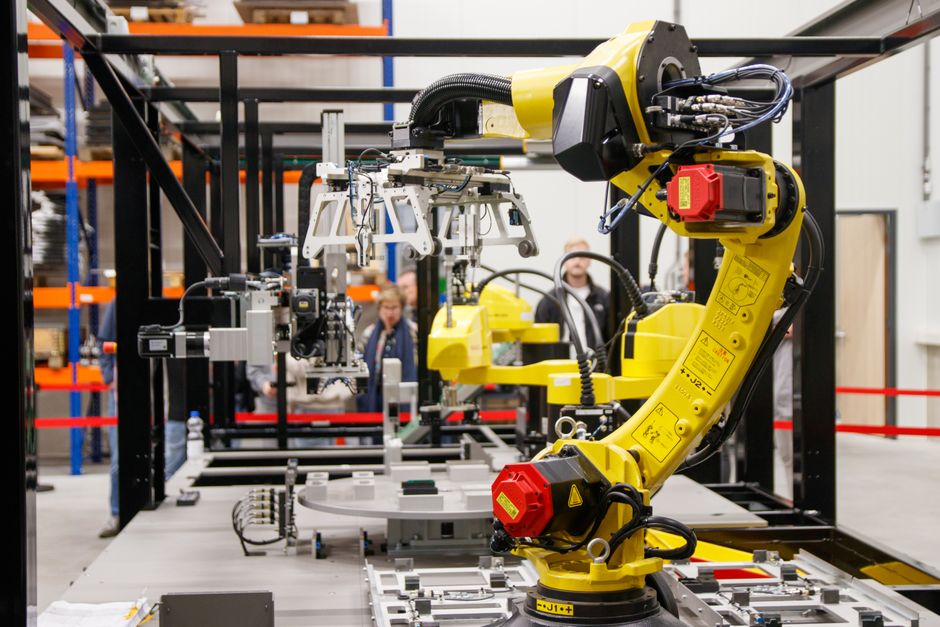
Automation has become a defining force in modern economies, influencing how businesses operate and how individuals plan their careers. From manufacturing floors to administrative offices, automated systems are increasingly handling tasks that were once performed manually. This transformation is not a distant future scenario; it is occurring across various sectors in Estonia and globally. While discussions often focus on potential job displacement, a more nuanced examination reveals shifts in job roles, skill requirements, and the very nature of work itself.
Understanding these changes requires looking at both the macro-level trends and the day-to-day realities of workers. For employees and job seekers, the key questions are: what skills will remain relevant, and how can one adapt to a working environment that is continually evolving? For employers and policymakers, the focus is on how to support workforce transitions and ensure that the benefits of automation are distributed broadly. This article explores the current landscape of automation, its impact on employment, and practical considerations for navigating this changing terrain.
Understanding Automation’s Impact on Employment
Automation refers to the use of technology to perform tasks with reduced human intervention. This includes everything from robotic process automation (RPA) in data entry to advanced artificial intelligence systems that analyze complex information. The adoption of these technologies is driven by goals such as improving efficiency, reducing errors, and cutting operational costs. In Estonia, a country known for its digital-forward approach, automation has been integrated into various sectors, including government services, logistics, and finance.
The effect on employment is not uniform across all job types. Routine and repetitive tasks are more likely to be automated, which means roles that primarily involve such tasks may see a decrease in demand. However, this does not necessarily translate into massive unemployment. Instead, it often leads to a redefinition of job roles, where human workers focus on tasks that require emotional intelligence, complex problem-solving, and creativity. For instance, in customer service, chatbots handle standard inquiries, while human agents deal with more nuanced issues that require empathy and judgment.
Another aspect to consider is the creation of new jobs that did not exist before. The development, maintenance, and oversight of automated systems require a workforce with technical skills. Data analysts, AI specialists, and process automation engineers are increasingly in demand. Moreover, there is a growing need for professionals who can bridge the gap between technical capabilities and business requirements, such as project managers and business analysts who understand automation’s potential and limitations.
It is also important to recognize that automation can enhance job quality by eliminating mundane tasks and allowing workers to engage in more meaningful work. For example, in healthcare, automated systems can handle appointment scheduling and medical records, enabling nurses and doctors to spend more time with patients. This shift can lead to higher job satisfaction and better outcomes, though it depends on how organizations implement these technologies.
Key Skills for the Future Workforce
As automation takes over routine tasks, certain skills become more valuable. Adaptability tops the list, as the pace of technological change means that job requirements can shift quickly. Being open to learning new tools and processes is essential. In Estonia’s dynamic work environment, lifelong learning is not just a buzzword but a practical necessity.
Technical literacy is another crucial skill. While not everyone needs to be a programmer, understanding the basics of how automated systems work can be an advantage. Familiarity with data analysis, even at a foundational level, can help workers make informed decisions and collaborate effectively with technical teams. For those interested in more specialized roles, pursuing training in areas like programming, systems administration, or cybersecurity can open up opportunities.
Soft skills are equally important, if not more. Communication, collaboration, and critical thinking remain central to most jobs. Automation can handle data processing, but interpreting that data and communicating its implications to stakeholders requires human insight. Likewise, leading teams and motivating colleagues are tasks that are unlikely to be fully automated. Empathy and interpersonal skills are particularly relevant in roles that involve customer interaction or care services.
Problem-solving skills in ambiguous situations are also highly valued. Automated systems operate on known rules and patterns; they can struggle with novel or unpredictable scenarios. Humans who can think on their feet and devise creative solutions will find themselves in demand. This involves not only analytical thinking but also the ability to question assumptions and approach problems from multiple angles.
Strategies for Individuals and Organizations
For individuals, staying relevant in the labor market requires a proactive approach to skill development. This could involve taking online courses, attending workshops, or pursuing certifications in new technologies. In Estonia, several initiatives and platforms offer training in digital skills, ranging from government-sponsored programs to private educational providers. It is also beneficial to engage in professional networking and to stay informed about industry trends, as these can provide insights into emerging opportunities.
For organizations, investing in employee training and development is crucial. Rather than viewing automation as a means to reduce headcount, companies can use it to redeploy workers to higher-value tasks. This requires a strategic approach to workforce planning, where skills assessments are conducted and training paths are aligned with future needs. By fostering a culture that embraces change and encourages learning, organizations can build a resilient workforce that can adapt to technological shifts.
Policy and education systems also have a role to play. Governments and educational institutions need to collaborate to ensure that curricula prepare students for the evolving job market. This includes not only technical skills but also critical thinking, ethics, and interdisciplinary knowledge. Furthermore, support systems for workers in transition, such as career counseling and job placement services, are important to facilitate smooth transitions.
It is worth noting that the impact of automation is not predetermined. The choices made by businesses, policymakers, and individuals shape the outcomes. By focusing on continuous learning and adaptability, stakeholders can influence the trajectory in a way that benefits the economy and society as a whole.
Navigating Ethical and Social Considerations
Beyond economic factors, automation raises ethical questions that need careful consideration. For instance, algorithmic decision-making can introduce biases if not properly designed. Ensuring transparency and fairness in automated systems is thus a critical concern. This involves not only technical safeguards but also regulatory frameworks that protect individual rights.
Social implications, such as income inequality and job displacement in certain regions, also require attention. In Estonia, as in many countries, there are regional disparities in access to technology and training opportunities. Addressing these can help mitigate negative effects and ensure that the benefits of automation are shared more evenly.
Moreover, the psychological impact of working alongside automated systems should not be underestimated. Workers may feel insecure about their roles or overwhelmed by the pace of change. Employers can support their workforce by providing clear communication about changes and involving employees in the design and implementation of automation initiatives. This participatory approach can increase buy-in and reduce resistance.
Ultimately, automation is a tool that can be harnessed for progress, but it requires deliberate and responsible governance. By considering the ethical, social, and psychological dimensions, stakeholders can develop strategies that maximize the potential of automation while minimizing negative consequences.
Adaptability and a commitment to lifelong learning are not just advantageous but essential in navigating the evolving landscape of work.
In conclusion, automation is reshaping the job market in profound ways, but it is not a zero-sum game. It offers opportunities for innovation and productivity, but it also demands a proactive response from individuals and institutions. By focusing on developing versatile skills, fostering organizational cultures that support learning, and addressing ethical considerations, we can navigate this transformation effectively. The future of work will be shaped by our choices today.